創業明治25年 アフターサービス充実のペット総合専門店
山梨県甲府市平和通り 甲府駅から車で南へ5分

創業明治25年 アフターサービス充実のペット総合専門店
山梨県甲府市平和通り 甲府駅から車で南へ5分
Finding the right place to live shapes your entire Russian experience. The apartment search process, lease negotiations, and daily housing realities differ significantly from Western practices. Understanding these differences prevents costly mistakes and housing frustration. Most Russians live in apartment buildings constructed during Soviet era. These structures dominate residential landscapes and come with distinct characteristics. "Khrushchyovkas" from the 1960s feature small apartments (30-50 square meters) with low ceilings, tiny kitchens, and combined bathrooms. These buildings were meant as temporary housing but remain in use sixty years later. "Brezhnevkas" from 1970s-80s offer slightly more space and better layouts. Nine-story buildings without elevators test your leg strength daily if you live on upper floors. Stalin-era buildings ("Stalinkas") paradoxically offer the most desirable Soviet housing. High ceilings (3+ meters), solid construction, and spacious layouts make these apartments premium despite age. Modern construction from 1990s onward varies wildly in quality. Some developments match Western standards while others cut corners dramatically. Russians measure apartments by room count, not bedrooms. A "two-room apartment" (двухкомнатная - dvukhkomnatnaya) has one bedroom plus living room, not two bedrooms. Kitchen and bathroom don't count as rooms in this system. "Studio" (студия - studiya) means open-plan apartment combining living and sleeping space. "Euro-renovation" (евроремонт - evroremont) indicates modern renovation though actual quality varies tremendously. Square meters replace square feet. One square meter equals roughly 10.75 square feet. A 60-square-meter apartment feels spacious by Russian standards. This distinction causes confusion for foreigners accustomed to different standards. Russian "unfurnished" means completely empty. No furniture, no appliances, sometimes no light fixtures. Kitchens lack cabinets, ovens, and refrigerators. Bathrooms need you to install everything except toilet and bathtub. "Furnished" typically includes basic furniture and major appliances but verify specifics. One landlord's "furnished" might mean bed and refrigerator while another includes full furniture sets. Unfurnished apartments rent cheaper but require substantial upfront investment in furnishings. Furnished apartments cost 20-40% more monthly but avoid setup hassles. For stays under two years, furnished makes financial sense. Longer stays justify buying furniture for unfurnished places. CIAN.ru dominates Russian real estate listings. English interface available though limited compared to Russian version. Avito.ru hosts many private landlord listings alongside professional agents. Yandex.Realty aggregates listings from multiple sources. Domclick.ru from Sberbank combines listings with mortgage services. Agents charge commission equivalent to 50-100% of monthly rent, split between landlord and tenant or paid entirely by tenant depending on agreement. Agents handle paperwork, translation issues, and landlord negotiations. Worth the cost for non-Russian speakers despite fees. Agents maintain exclusive listings not posted publicly, accessing better apartments. Expat Facebook groups and forums often share available apartments before public listing. Colleagues, friends, and acquaintances provide most reliable recommendations. Building managers (домоуправляющий - domoupravlyayushchiy) sometimes know available units in their buildings. Studio: $600-$1,000 in decent neighborhoods One-bedroom: $800-$1,300 Two-bedroom: $1,200-$2,000 Central locations and luxury buildings dramatically increase prices. Studio: $500-$800 One-bedroom: $600-$1,000 Two-bedroom: $900-$1,500 Generally 20-30% cheaper than Moscow for comparable quality and location. Kazan, Yekaterinburg, Novosibirsk: Studio: $250-$450 One-bedroom: $350-$600 Two-bedroom: $500-$900 Dramatic savings versus capitals though apartment quality and amenities may lag. Russian rental contracts require careful attention despite temptation to sign without full understanding. Most leases run 11 months or one year. Longer terms are negotiable but less common. Security deposits typically equal one month's rent. Some landlords demand two months upfront (first month plus deposit). Payment occurs monthly in advance, due first few days of month. Utilities sometimes included in rent, sometimes paid separately. Verify which model applies. Landlords must register tenants with local migration authorities within seven business days. Some landlords avoid registration to dodge taxes. This creates problems for you legally even if landlord accepts risk. Insist on proper registration. It's non-negotiable for legal residence. Everything negotiated should appear in written contract. Verbal agreements mean nothing if disputes arise. Inventory list documenting apartment condition and contents protects both parties. Maintenance responsibilities – who fixes what when things break. Early termination terms if you need to leave before lease expires. Rent increase provisions if lease renews. Landlords refusing written contracts are either avoiding taxes or running scams. Prices dramatically below market suggest scams or major undisclosed problems. Pressure to pay large sums before seeing apartment or signing contract indicates fraud. Reluctance to allow property viewing with multiple excuses raises suspicions. Monthly utility costs include several components beyond rent. Centralized heating operates on fixed schedule (typically mid-October through April) regardless of weather. You can't control when heat starts or stops. Temperature regulation limited to opening windows. Heating costs $30-$60 monthly for typical apartment, more for larger spaces. Metered usage bills monthly. Typical apartment consumes $20-$40 monthly. Rates differ for day and night usage if you have two-tariff meter. Hot and cold water billed separately, both metered. Combined water costs run $15-$30 monthly for average use. Hot water sometimes shuts off for 2-3 weeks annually for maintenance, requiring backup heating solutions. High-speed fiber internet costs $10-$20 monthly for excellent service. Cable TV optional at $10-$20 monthly. Mobile internet often sufficient for TV streaming without separate cable. Monthly payments to building management cover common area maintenance, concierge services, and building operations. These fees run $30-$100 monthly depending on building size and services. Expect $100-$200 additional to rent for typical apartment's complete utility package. Larger apartments or houses increase utility costs proportionally. Walking through Russian apartments reveals standards differing from Western expectations. Recent renovation doesn't guarantee quality work. Russians joke about "renovation with hammer" – cosmetic improvements hiding structural issues. Inspect carefully. Fresh paint may cover water damage or mold. New flooring might conceal uneven subflooring. Plumbing and electrical systems often don't meet Western safety standards even in renovated apartments. Soviet buildings feature poor insulation by modern standards. External walls often lack adequate insulation. Windows make enormous difference. Old wooden windows leak air and heat. Modern plastic windows (стеклопакеты - steklopakety) dramatically improve comfort. Corner apartments and top floors face more heating challenges than middle units. Russian apartments typically lack built-in closets. Freestanding wardrobes (шкаф - shkaf) serve as clothing storage. Kitchen storage often minimal even in renovated apartments. Balconies (балкон - balkon) serve as additional storage space, especially if enclosed and glazed. Bathrooms come in two types: separate (toilet and bathroom split) or combined. Separate bathrooms inconvenience some people but reflect Soviet design philosophy. Bathtubs dominate over showers. Standalone showers rare in older buildings. Washing machines live in bathrooms or sometimes kitchens. Separate laundry rooms don't exist in typical apartments. What comes standard differs from Western apartment expectations. Buildings over five stories require elevators by code, though older buildings sometimes lack them. Soviet-era elevators are small (3-4 people maximum) and slow but generally functional. Elevator breakdowns happen. Maintenance sometimes takes days. Prepare for stairs. Dedicated parking costs extra, typically $50-$150 monthly for underground or secure parking. Street parking often chaotic and unregulated. Finding spots proves challenging in populated areas. Many Russians don't own cars specifically because parking creates such headaches. Entry systems with intercom and code access common in most buildings. Some buildings employ concierge (консьерж - konsierzh) monitoring entrance during daytime hours. Security cameras in common areas increasingly standard in newer buildings. Stairwells and hallways often look neglected even in otherwise nice buildings. Russians focus renovation budgets on apartment interiors, not common areas. Don't judge apartment quality by building entrance appearance. Purchase makes sense for long-term residents but involves complexities. Foreigners can buy residential property in most Russian regions. Prices vary wildly: Moscow apartments $2,000-$5,000 per square meter, regional cities $500-$1,500 per square meter. Mortgages available to residents but terms less favorable than Western markets (8-12% interest typical). Many foreigners buy outright with cash from home country property sales. Hire lawyer to verify clean title and handle transaction properly. Registration with Rosreestr (property registry) finalizes ownership legally. Property taxes minimal (0.1-0.3% annually) compared to Western rates. Owners pay monthly management fees plus utilities. Major repairs to common areas require owner approval and special assessments. Selling property later possible but market liquidity lower than Western markets. Location determines quality of life as much as apartment itself. Moscow and St. Petersburg apartments within 10-minute walk of metro stations command premium prices but justify the cost. Metro access eliminates parking problems and simplifies daily commuting. Parks and green areas improve quality of life substantially. Russian cities maintain excellent park systems. Living near parks provides recreation and fresh air. Proximity to grocery stores, pharmacies, and basic services matters for daily convenience. New residential developments often lack established infrastructure initially. For families, school proximity and quality dramatically affect housing choices. International schools concentrated in specific areas, limiting housing options if that's your priority. Many foreigners successfully navigate Russian housing after move to Russia by understanding local practices and adjusting expectations. Start with short-term rental allowing neighborhood exploration before long-term commitment. Visit apartments in person. Photos and videos never tell complete story. Bring Russian-speaking friend or hire agent if language limits your apartment search. Budget realistically for setup costs beyond just rent if choosing unfurnished option. Maintain good landlord relationships. Small problems get fixed faster when you're respectful tenant. Document everything – apartment condition, agreements, communication with landlord. Russian apartment living differs from Western housing in many ways but becomes comfortable once you adapt to local standards and systems. Millions of Russians live quite contentedly in these apartments despite foreigners' initial skepticism. With proper preparation and realistic expectations, you'll find suitable housing supporting your Russian life successfully.Russian Apartment Living: Complete Housing Guide for Expats
Soviet Architecture Legacy
Understanding Russian Apartment Vocabulary
Furnished vs. Unfurnished
Where to Search
Online Platforms
Real Estate Agents
Word of Mouth
Rental Costs by City
Moscow
St. Petersburg
Regional Cities
Lease Agreement Essentials
Standard Terms
Registration Requirements
What Gets Written Down
Red Flags
Utilities and Bills
Heating
Electricity
Water
Internet and TV
Management Fees
Total Monthly Utilities
Apartment Conditions
"Renovation" Reality
Insulation Issues
Storage Space
Bathroom Configurations
Building Amenities
Elevators
Parking
Security
Communal Spaces
Buying vs. Renting
Purchase Process
Legal Considerations
Maintenance Costs
Neighborhood Selection
Proximity to Metro
Green Space Access
Shopping and Services
School Districts
Making It Work
イシハラはブログが凄い!
熱帯魚、海水魚などの新入荷情報、ワンちゃんのかわいいアップ写真、小動物のおもしろ記事など毎日読んでも飽きない!

2023.02.20
兄妹仲良しマルプー

2022.09.10
山梨県甲府市犬専用トリミングルーム♡ 2022年9月10日

2022.03.02
当店自慢のチンチラさんたち♡

2023.02.16
ベタ入荷しました!!

2023.02.27
海水魚が入荷しています!!

2023.02.27
金魚入荷しました!!

2021.12.09
最近人気な生体などをご紹介!

2023.02.10
入れるだけで完璧!!!

2019.04.24
ついに販売開始!!!

2023.01.06
今年もひよこの予約、はじまります!
2023.02.23
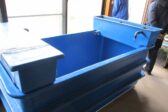
FRP大型水槽取付け!!

2022.12.20
淡水熱帯魚リース紹介

2021.12.19

2023.02.17
肉!肉!
